Writing the Industrial Revolution
WordPress support for an academic project, helping bring the professors' editorial vision to life using the University of Leeds theme and provided multisite platform.
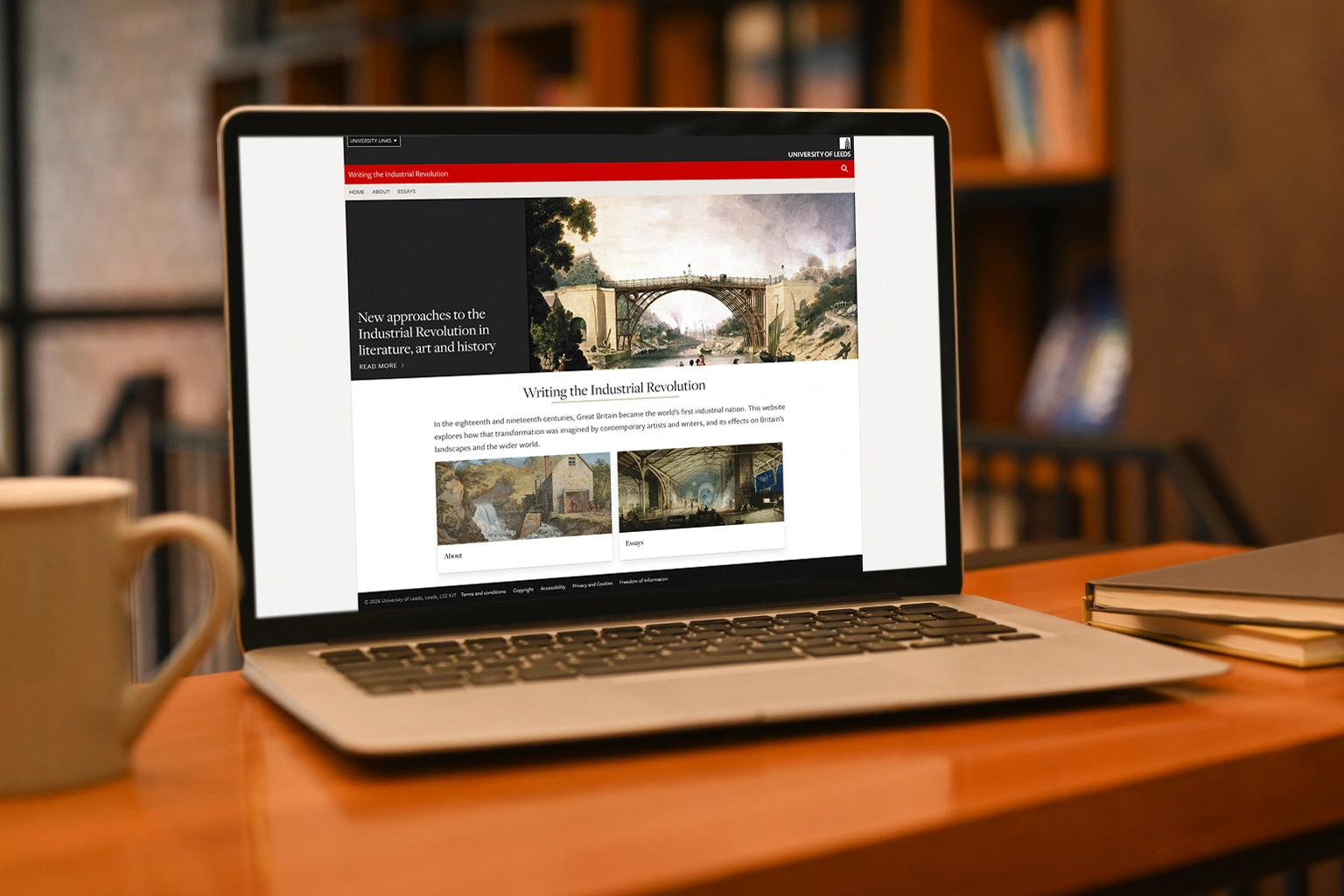
The Brief
Writing the Industrial Revolution is a research website collecting short essays on Britain's Industrial Revolution and its cultural impact, with contributions from historians and scholars across multiple fields. The project was made possible by Arts and Humanities Research Council funding and led by Jeremy Davies at the University of Leeds and Mary-Ann Constantine at the University of Wales Centre for Advanced Welsh and Celtic Studies.
My role was to support the web build and content setup inside a University of Leeds multisite subsite, using the university-provided theme and shaping the site within the framework it already offered.
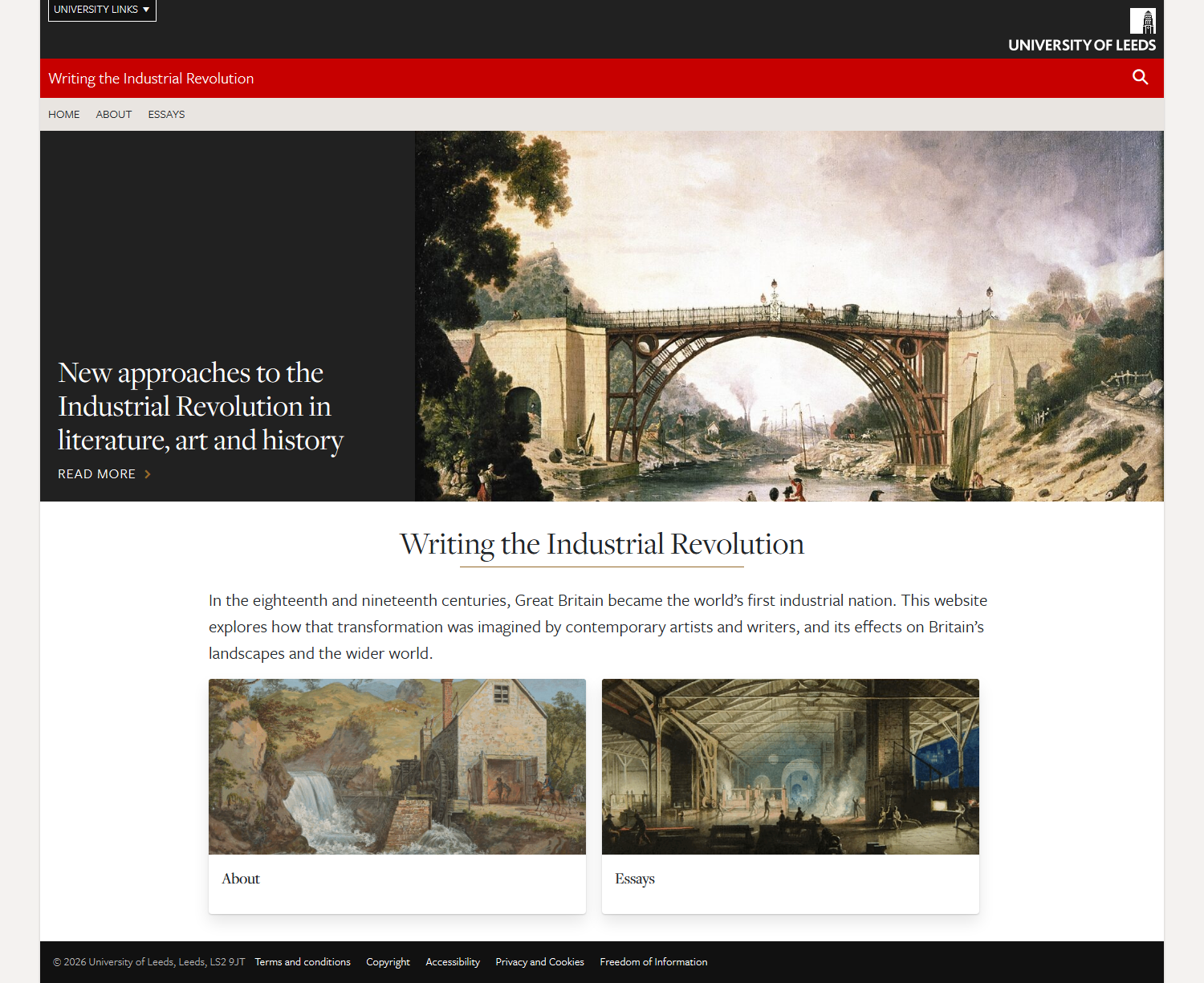
Homepage for the AHRC-funded research project and essay archive
The Approach
Rather than designing from scratch, the work centred on understanding the university theme's existing features and editorial patterns, then shaping the site to meet the project's requirements within that structure. The theme itself provided much of the functionality the project needed, so the focus was on using it well and keeping the finished site clear, coherent and appropriate to the subject matter.
A large part of the job was also practical content work: preparing contributor essays for the web, interpreting source documents and formatting them into pages that were accessible, responsive and pleasant to use. Because the site used the classic WordPress editor, some sections also needed light inline adjustments to make the most of the available styling while keeping everything consistent.
Key Features
Multisite subsite setup — Configured the project within the University of Leeds multisite environment, making full use of the supplied theme and platform.
Essay-led content structure — Organised and published essays from multiple contributors in a way that made the material easier to browse and explore.
Accessible content presentation — Interpreted source documents for web use, applying careful formatting and small inline refinements where needed so long-form academic content stayed readable and usable.
Collaborative publishing support — Helped translate the requirements of the project leads into a site structure that could support ongoing contributions and editorial updates.
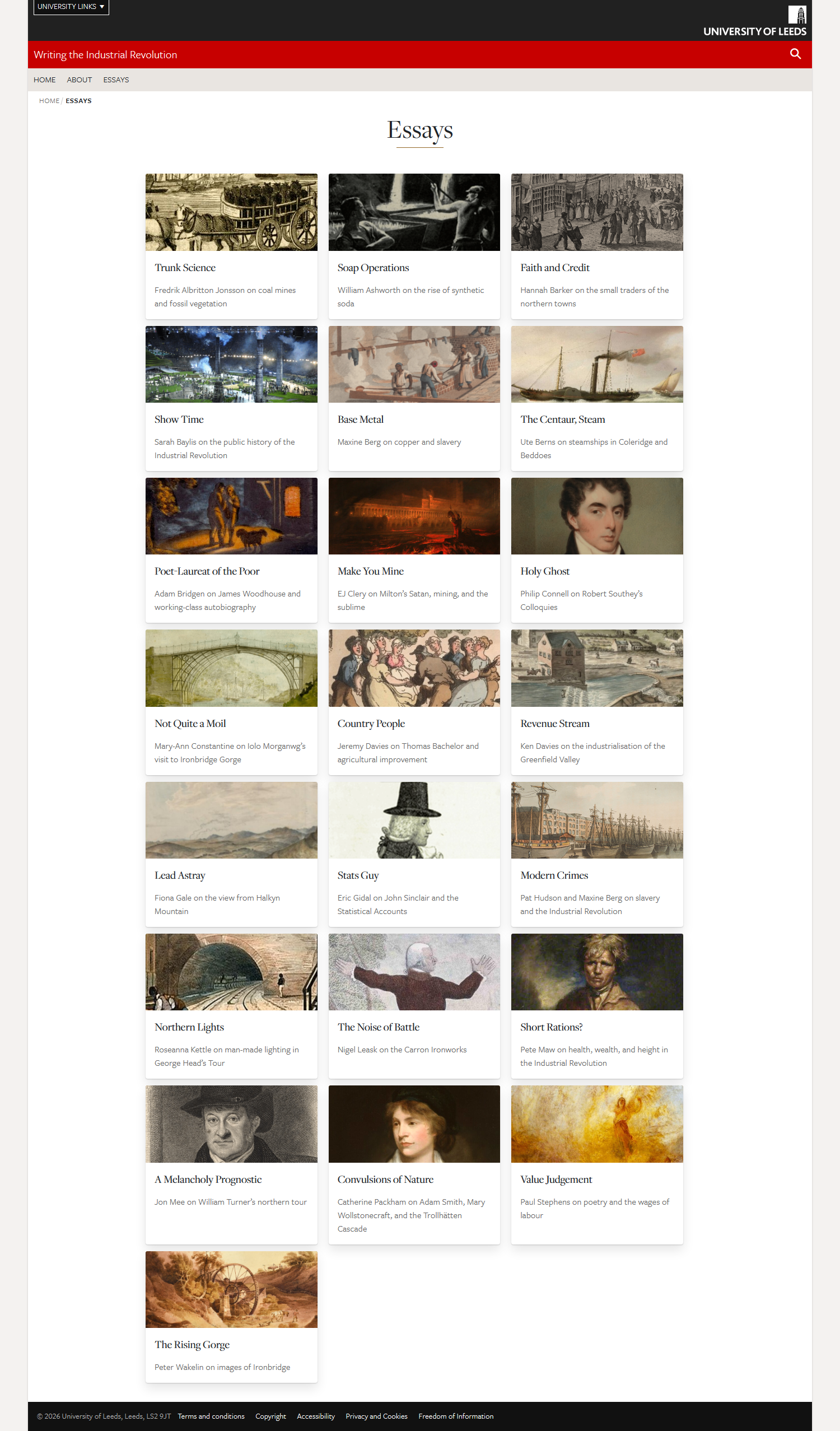
Essay archive bringing together contributions from multiple researchers
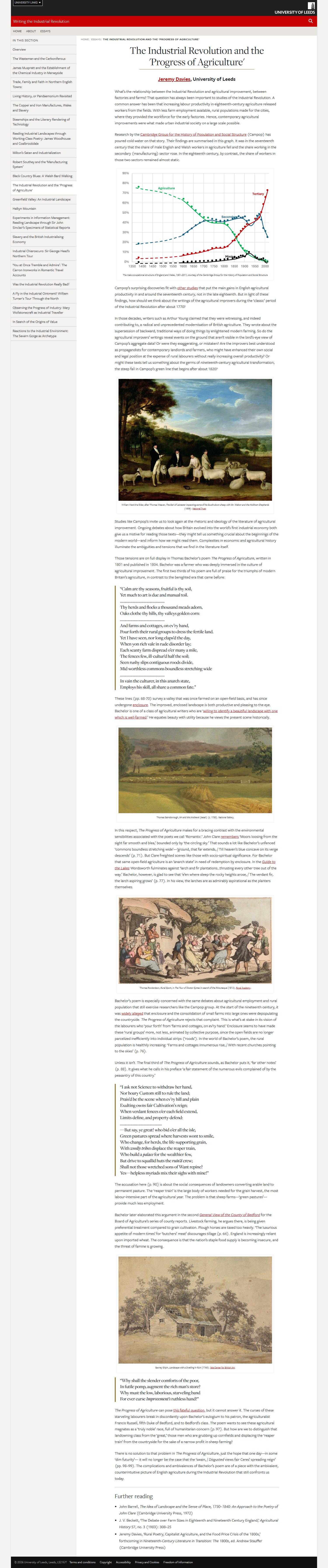
Individual essay page formatted for clear long-form reading
The Result
The finished site gave the project a platform that worked within the university's existing system while still presenting the material clearly. It brought together essays from many contributors into a structure that felt organised, accessible and appropriate to the subject matter.
The project was well received, helping turn the available editorial tools and platform features into a usable public-facing resource that supports new dialogue across literature, economics, art and intellectual history around the period of early industrial Britain.